
Introduction
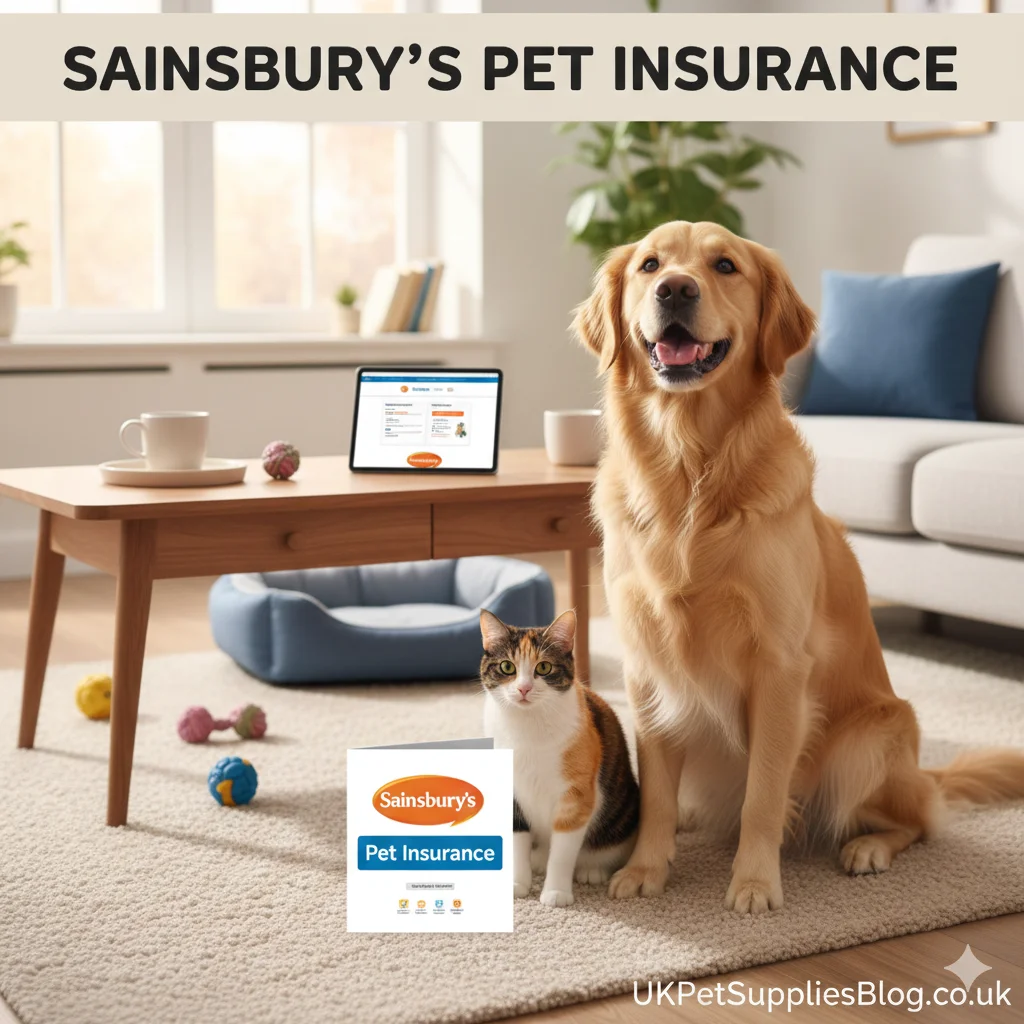
Sainsbury’s Pet Insurance is one of several supermarket-branded policies available to UK pet owners, and it often appears in comparison searches because of the familiarity of the brand—including searches such as 486 sainsburys pet insurance. Before you buy, it helps to understand how the policy is structured, what it covers, where the limitations sit, and how it compares with dedicated pet insurers. This guide walks through seven practical points that matter when you are deciding whether Sainsbury’s Pet Insurance is right for your cat or dog.
One important context point: Sainsbury’s Bank offers insurance products, but the underwriting and administration of pet policies are typically handled by a specialist insurance partner. That means your day-to-day claims experience, renewal terms, and policy wording come from the underwriter rather than the supermarket itself. Always check the current policy documents, as terms can change.
1. Understand the Different Policy Types Available
Most UK pet insurers, including Sainsbury’s, structure their cover around a few core types. The type you choose has a bigger effect on long-term value than almost any other decision.
Accident-only cover is the cheapest option. It usually pays out for injuries caused by accidents, such as a road traffic incident or a cut requiring stitches, but it excludes illnesses. If your pet develops a chronic condition like diabetes or arthritis, you would not be covered.
Time-limited cover pays for a condition for a set period, often 12 months, and up to a fixed limit. Once that period or limit is reached, the condition is excluded from future claims. This can be a problem for ongoing conditions.
Maximum-benefit cover provides a pot of money per condition, but once the pot is exhausted, the condition is no longer covered. The condition itself is not time-limited, but the money is.
Lifetime cover is the most comprehensive. It provides a set amount per year, and that amount refreshes each year you renew, as long as you keep the policy and pay the premiums. This is usually the best choice if you want protection against chronic or recurring conditions.
Before buying, confirm which type the quote you are looking at represents. A low monthly premium often signals accident-only or time-limited cover rather than lifetime cover.
2. Check the Vet Fee Limits and What They Actually Cover
The headline vet fee limit is one of the first numbers people compare, but it only tells part of the story. You need to know whether the limit applies per condition, per year, or across the whole policy term.
For example, a lifetime policy might advertise £7,000 of vet fee cover per year. That sounds generous, but if your dog needs treatment for a single complex condition such as a spinal injury requiring surgery and ongoing physiotherapy, costs can add up quickly. Meanwhile, a maximum-benefit policy might offer £3,000 per condition with no time limit, which could be better for a one-off expensive issue but worse for a long-term illness.
Also check what is included within the vet fee limit. Common inclusions are:
- Consultation fees
- Prescription medication
- Surgery and hospitalisation
- Diagnostic tests such as X-rays, blood tests, and scans
- Complementary treatments, sometimes with a separate sub-limit
- Dental treatment, often only for accidents or with a separate limit
Sub-limits are where costs can surprise you. A policy might have a £7,000 overall limit but only £1,000 for complementary therapy or £1,500 for dental work. Read the schedule of benefits carefully.
3. Excess, Co-payments, and Age-Related Conditions
The excess is the amount you pay towards each claim before the insurer pays the rest. Many pet policies have two types of excess: a standard excess per condition per year, and an additional percentage-based co-payment for older pets.
For instance, a policy might charge a £100 excess for a young cat, but once the pet reaches a certain age, such as eight or nine, it may add 20% co-payment on top. That means if a vet bill is £1,000 and the excess is £100 plus 20%, you would pay £300 and the insurer would pay £700. On a £5,000 claim, the 20% co-payment alone would be £1,000.
This matters because older pets are more likely to need expensive treatment. If you are buying insurance for a pet that is already middle-aged, model the worst-case scenario with the co-payment included before deciding.
Also check whether the excess applies per condition or per year. A per-condition excess can mean multiple excess payments if your pet has several unrelated issues in the same year.
4. Pre-existing Conditions and Waiting Periods
Like most pet insurers, Sainsbury’s Pet Insurance is unlikely to cover conditions that existed before the policy started or before a certain cutoff date. This is one of the most common reasons claims are declined, and it is worth understanding before you buy.
A pre-existing condition is generally any illness, injury, or symptom that your pet showed signs of, was diagnosed with, or received treatment for before the policy began or during the waiting period. Even a single visit to the vet for a limp that later turns out to be arthritis could be treated as pre-existing.
Waiting periods also apply. A typical policy might not cover illness for the first 14 days and may not cover accidents for the first few days. Some conditions, such as cruciate ligament issues in dogs, sometimes have longer waiting periods. If you are switching insurers, any condition your pet has been treated for with the previous insurer will usually be excluded by the new one.
This is why insuring your pet while it is young and healthy is generally cheaper and easier than waiting until problems appear.
5. Third-Party Liability and Non-Vet Benefits
Vet fees are the main reason people buy pet insurance, but the policy usually includes other benefits that can be valuable.
Third-party liability covers you if your pet injures someone or damages their property. For dogs, this can be significant. If your dog causes a road accident or bites a passer-by, the legal costs and compensation could run into thousands. Some policies include several hundred thousand pounds or more of liability cover, while others limit it or exclude it for certain breeds.
Loss and theft cover pays a reward or a replacement amount if your pet goes missing or is stolen. This is usually a smaller sum and often has conditions, such as requiring you to notify the police and advertise the loss.
Boarding fees may be covered if you are hospitalised and unable to care for your pet. Holiday cancellation may pay out if your pet needs emergency treatment and you have to cancel a trip. Death from illness or accident may provide a payment, though this is often limited and may not apply to older pets.
These benefits vary widely between policies, so compare them alongside the vet fee limit rather than assuming they are all the same.
6. Compare the Cost Against Dedicated Pet Insurers for 486 Sainsburys Pet Insurance
Supermarket-branded insurance is not automatically cheaper or more expensive than dedicated pet insurers. The price depends on your pet’s species, breed, age, location, and the level of cover you choose.
When comparing, use the same assumptions across every quote: same vet fee limit, same policy type (lifetime vs maximum benefit), same excess, and same co-payment structure. A quote that looks £5 a month cheaper may be an accident-only policy rather than lifetime cover, which is not a like-for-like comparison.
It is also worth checking:
- Whether the premium is likely to rise sharply as your pet ages
- Whether the insurer has a reputation for handling claims fairly and quickly
- Whether there are discounts for insuring multiple pets
- Whether you can adjust the excess to lower the premium
- Whether there are any administration fees for changes or cancellations
Do not rely on brand familiarity alone. A supermarket name on the policy does not guarantee better terms than a specialist insurer.
7. Know the Exclusions and Claim Conditions
Every pet policy has exclusions, and knowing them in advance prevents unpleasant surprises at claim time. Common exclusions include:
- Pre-existing conditions
- Routine and preventative care, such as vaccinations, neutering, and flea treatment
- Pregnancy and breeding
- Cosmetic or elective procedures
- Conditions arising from neglect or lack of routine care
- Behavioural problems, unless specifically covered
- Dental disease, unless caused by an accident or covered under a separate benefit
Claim conditions also matter. You may need to pay the vet bill upfront and claim back, or the insurer may pay the vet directly if the practice agrees. You will usually need to submit invoices, clinical history, and a completed claim form. Some insurers require you to notify them within a certain number of days of treatment.
If your pet has a condition that becomes chronic, check whether the insurer requires you to re-claim each year and whether the condition remains covered under a lifetime policy. With a lifetime policy, the condition should remain covered as long as you renew, but the premium may increase.
Practical Decision Guidance
If your pet is young and healthy, a lifetime policy with a reasonable vet fee limit and a manageable excess is usually the most protective choice, because it avoids the risk of a condition being excluded after 12 months. If your pet is older or has existing conditions, a lifetime policy may be expensive or may exclude those conditions, so a maximum-benefit policy could be a compromise, though it will not cover a condition once the pot is exhausted.
If you are on a tight budget, consider raising the excess or choosing a lower vet fee limit rather than dropping to accident-only cover, because illness is more common than accidents in many pets. Always read the policy summary and the full terms before buying, and if anything is unclear, ask the insurer directly in writing so you have a record of the answer.
Finally, review your cover at each renewal. Premiums tend to rise with age and with the cost of veterinary care, and you may find that adjusting the excess or the limit keeps the policy affordable without leaving you exposed to the costs you most want to protect against.












0 Comments